
The ASEAN Centre for Biodiversity (ACB), through the project Effectively Managing Networks of Marine Protected Areas in Large Marine Ecosystems in the ASEAN Region (ASEAN ENMAPS Project), is enhancing marine conservation by positioning women, Indigenous Peoples and local communities, and youth at the forefront of governance and decision-making for a more inclusive and sustainable future.
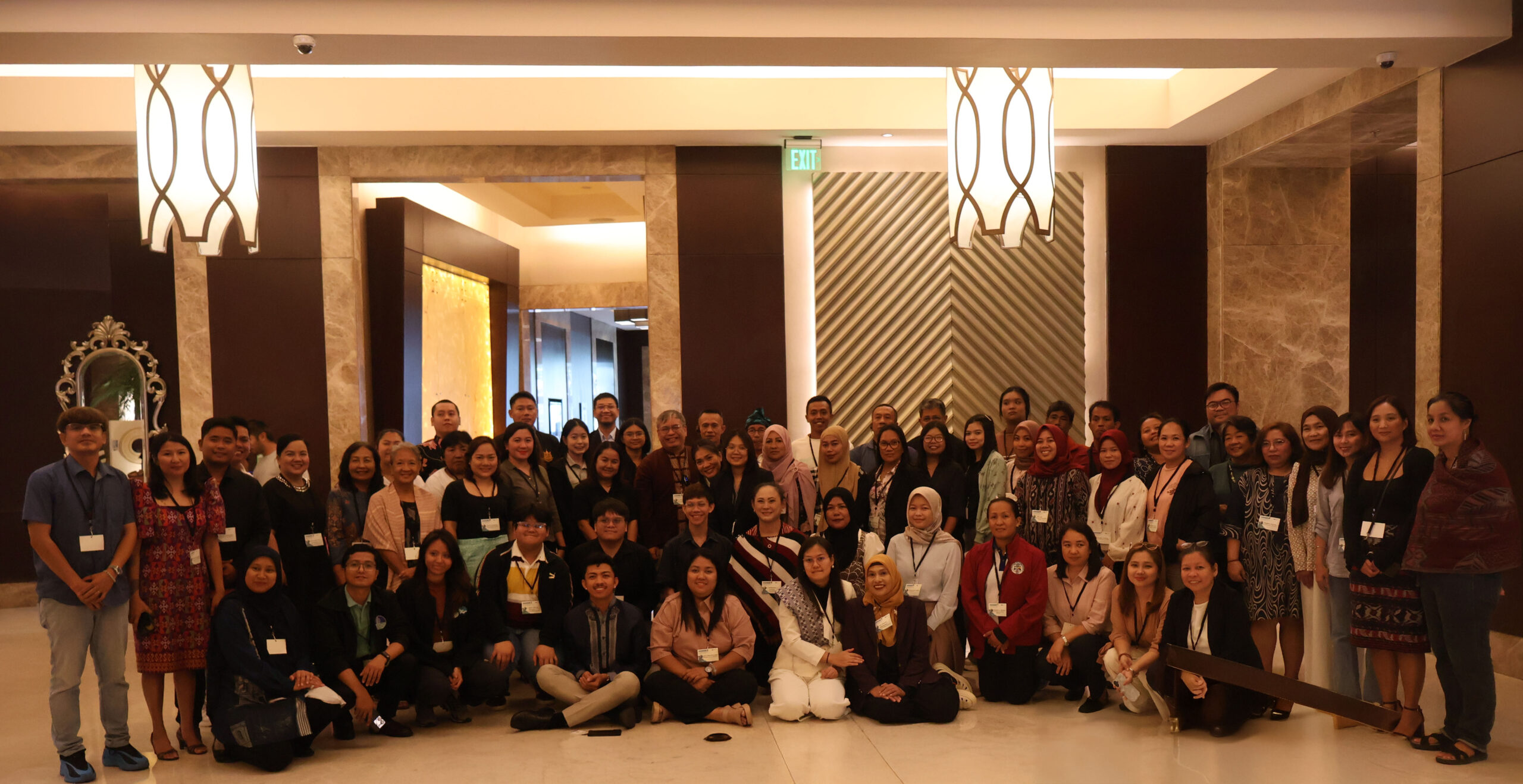
From 30 April to 3 May 2026, ACB will convene a four-day capacity-building activity aimed at strengthening gender-responsive, inclusive, and participatory governance of marine protected areas (MPAs) across Southeast Asia. The activity will gather representatives from government agencies, women and youth groups, and Indigenous Peoples from Indonesia, the Philippines, and Thailand to foster a collaborative platform that recognises the vital role of diverse stakeholders in safeguarding marine ecosystems.
Participants will be equipped with practical tools and strategies to systematically integrate Gender Equality, Equity, Disability, Diversity, and Social Inclusion (GEDSI) principles, alongside Traditional Ecological Knowledge (TEK), into marine conservation planning and governance. This approach recognises the inherent capability and local wisdom of women, Indigenous Peoples and youth–longstanding stewards of marine resources–and ensures they are meaningfully included in shaping policies and actions that directly affect their communities and environments.
“Women, Indigenous Peoples, and youth have long been custodians of our oceans, carrying with them Traditional Ecological Knowledge that has sustained ecosystems for generations. Today, we affirm that their voices, leadership, and practices are not peripheral. They are central to the resilience of our marine protected areas and the sustainability of our shared biodiversity,” said Dr. Jerome L. Montemayor, ACB Executive Director.
The ASEAN ENMAPS Project is a regional initiative designed to enhance the management of networks of MPAs and marine corridors across key Large Marine Ecosystems in Indonesia, the Philippines, and Thailand. It has 11 pilot sites in the three participating countries. The project is implemented by the United Nations Development Programme through the funding of the Global Environment Facility, with the ACB as the executing agency.
Empowering knowledge holders and advancing inclusive marine governance
Women, Indigenous Peoples, and youth are not only key resource users but also knowledge holders whose traditional practices contribute significantly to ecosystem sustainability. This activity underscores the importance of strengthening their capacities, amplifying their voices, and fostering co-ownership in conservation efforts by laying the groundwork for more resilient coastal communities and more effective marine protected area management in the region.
Throughout the training, community participants will develop actionable strategies to advocate for gender-responsive, inclusive and transformative conservation approaches, including the formulation of site-specific action plans that reflect their unique contexts and knowledge systems. At the same time, government representatives are expected to gain insights and tools to institutionalise GEDSI and TEK into national policies, programs, and governance frameworks.
The activity also aims to deepen understanding of the value of gender-responsiveness and inclusivity in marine conservation, address barriers to participation, and promote effective mechanisms for documenting and sharing TEK alongside science-based approaches. By bridging local knowledge with policy and practice, the initiative contributes to more holistic and adaptive marine resource management.
As part of its broader commitment to biodiversity conservation in the region, the ACB continues to champion approaches that are not only science-based but also people-centered, thereby ensuring that no one is left behind in the collective effort to protect Southeast Asia’s rich marine heritage.
